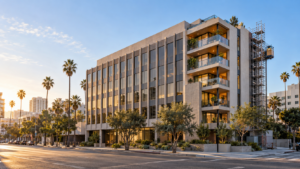
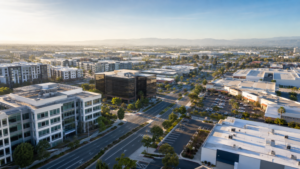
The commercial real estate (CRE) market in 2026 is entering a new era defined by innovation, economic shifts, and evolving tenant demands. Investors, developers, and property owners are navigating a landscape shaped by technology, sustainability, and changing workplace dynamics.
As market conditions continue to evolve, understanding both the opportunities and challenges in commercial real estate is critical for making informed investment decisions. From smart buildings to shifting office demand, this article explores the key trends shaping commercial real estate in 2026.
Market Overview: The State of Commercial Real Estate in 2026
The commercial real estate market in 2026 is being driven by a combination of economic pressures, technological advancements, and demographic shifts. Interest rate volatility, inflation concerns, and global economic conditions continue to influence investment strategies and property valuations.
At the same time, innovation and data-driven decision-making are reshaping how properties are developed, managed, and marketed.
Key Market Trends in 2026:
- Increased focus on sustainable and energy-efficient properties
- Growing use of data analytics and AI in real estate decision-making
- Continued rise of mixed-use developments in urban markets
- Strong demand for logistics, industrial, and last-mile distribution spaces
Urban growth and infrastructure improvements are also playing a major role, with location, accessibility, and connectivity remaining critical drivers of property value.
Key Opportunities in Commercial Real Estate
Despite market uncertainties, 2026 presents significant opportunities for commercial real estate investors and developers who are willing to adapt and innovate.
1. Smart Buildings and Technology Integration
Technology is transforming commercial properties into more efficient, data-driven assets. Smart buildings are becoming a major differentiator in competitive markets.
Key innovations include:
- AI-driven property management systems
- Predictive maintenance technology
- Advanced energy management platforms
- Smart security and access control systems
These technologies not only reduce operational costs but also improve tenant experience and retention—key factors in long-term asset performance.
2. Sustainability and ESG-Focused Development
Sustainability is no longer optional—it’s a core component of modern commercial real estate strategy. Environmental, Social, and Governance (ESG) considerations are influencing both investor decisions and tenant preferences.
Key sustainability trends:
- Renewable energy integration (solar, EV infrastructure)
- Water conservation and drought-resistant landscaping
- Use of sustainable and recycled building materials
- LEED-certified and energy-efficient building design
Properties that prioritize sustainability are better positioned to meet regulatory requirements, reduce operating costs, and attract high-quality tenants.
3. Growth of Mixed-Use Developments
Mixed-use developments continue to gain momentum in 2026, offering a blend of residential, retail, office, and entertainment spaces within a single environment.
These developments:
- Maximize land use efficiency
- Create multiple revenue streams
- Enhance tenant convenience and lifestyle appeal
As urban density increases, mixed-use projects are becoming a preferred solution for both developers and municipalities.
4. Industrial and Logistics Expansion
One of the strongest sectors in commercial real estate remains industrial and logistics. The continued growth of e-commerce is driving demand for:
- Distribution centers
- Warehousing facilities
- Last-mile delivery hubs
Well-located industrial assets with strong freeway access and modern infrastructure are expected to remain highly desirable.
Major Challenges Facing Commercial Real Estate in 2026
While opportunities are abundant, the commercial real estate market also faces several ongoing challenges that require strategic planning and adaptability.
1. Economic Uncertainty and Interest Rate Volatility
Fluctuating interest rates continue to impact financing costs and deal feasibility. Higher borrowing costs can reduce investor returns and slow transaction activity.
To navigate this environment, investors are exploring:
- Alternative financing strategies
- Joint ventures and partnerships
- Creative deal structuring
2. Changing Office Demand and Remote Work Trends
The shift toward remote and hybrid work models continues to reshape the office sector. Traditional office space demand has declined, while flexible and amenitized spaces are gaining traction.
Key shifts include:
- Increased demand for flexible office layouts
- Growth of co-working and shared spaces
- Focus on experience-driven office environments
Office landlords must adapt by repositioning assets to meet modern workplace expectations.
3. Regulatory and Compliance Pressures
Evolving regulations—particularly around sustainability, zoning, and building standards—are adding complexity to commercial real estate development and operations.
Staying compliant requires:
- Ongoing monitoring of local and state regulations
- Investment in sustainable upgrades
- Strategic planning to avoid costly delays or penalties
Strategic Considerations for Investors and Developers
To succeed in the 2026 commercial real estate market, investors and developers must take a forward-thinking approach.
Key Strategies for Success:
- Design properties with flexibility and adaptability in mind
- Leverage data and analytics for smarter investment decisions
- Prioritize sustainability and ESG initiatives
- Diversify portfolios across asset classes (industrial, retail, office, mixed-use)
- Focus on high-growth markets and strong locations
By aligning with these strategies, real estate professionals can better position themselves for long-term growth and resilience.
Looking Ahead: The Future of Commercial Real Estate
The commercial real estate market in 2026 is defined by both disruption and opportunity. Success will depend on the ability to adapt to changing market conditions, embrace innovation, and anticipate future trends.
Investors and developers who prioritize technology, sustainability, and evolving tenant needs will be best positioned to capitalize on emerging opportunities and navigate challenges with confidence.
Partner with Peak Commercial
Whether you’re looking to acquire, lease, or position your property for long-term success, the team at Peak Commercial is here to help you navigate today’s evolving market with confidence.
Connect with us to discuss your goals and explore opportunities in today’s commercial real estate landscape.